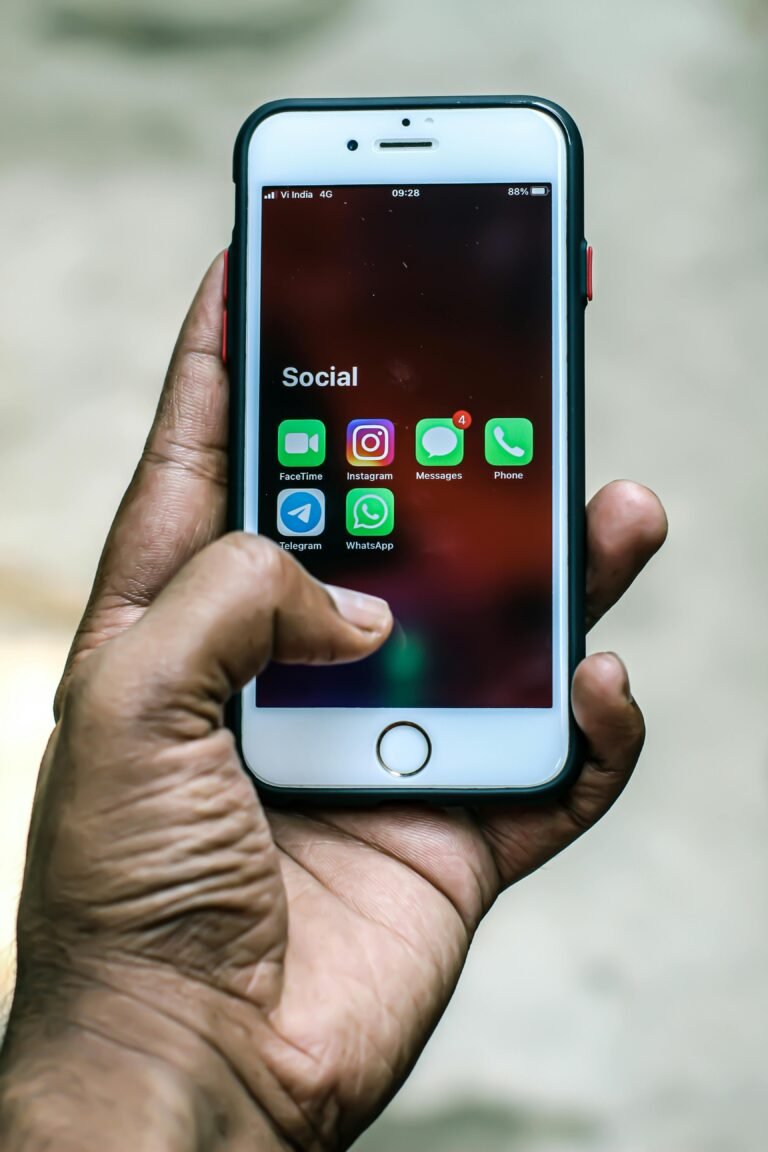


In the 2024 Indian general elections, social media emerged as a pivotal force, reshaping political campaigns, voter engagement, and the dissemination of information. Platforms such as Facebook, Twitter, Instagram, and YouTube became essential tools for political parties and candidates to connect with the electorate, mobilize support, and influence public opinion.
Digital Campaign Strategies
Political entities, notably the Bharatiya Janata Party (BJP) and the Indian National Congress (INC), invested heavily in digital campaigns. They established dedicated IT cells responsible for crafting targeted content, monitoring online trends, and engaging with voters in real-time. These teams utilized data analytics to tailor messages to specific demographics, ensuring that campaign narratives resonated with diverse segments of the population.
Influencer Collaborations
A notable development in this election cycle was the collaboration between political parties and social media influencers. Influencers with substantial followings were enlisted to promote party agendas, subtly integrating political messaging into their content. This strategy aimed to reach younger voters who consume information predominantly through digital mediums.
Misinformation and Deepfakes
The election period witnessed a surge in misinformation and the deployment of deepfake technologies. AI-generated content, including manipulated videos and images, was disseminated to mislead voters and tarnish the reputations of political opponents. For instance, deepfake videos falsely portraying political figures making controversial statements circulated widely, complicating the electorate’s ability to discern authentic information.
Regulatory Challenges
The Election Commission of India and social media platforms faced significant challenges in moderating content and curbing the spread of false information. Despite efforts to implement stricter guidelines and fact-checking mechanisms, the sheer volume of content and the sophistication of deceptive technologies like deepfakes made comprehensive regulation difficult.
Voter Mobilization and Engagement
Social media facilitated unprecedented levels of voter engagement. Live streams, virtual rallies, and interactive sessions allowed candidates to communicate directly with constituents, bypassing traditional media filters. This direct engagement enabled real-time feedback and fostered a sense of community among supporters.
Impact on Election Outcomes
While social media significantly influenced public discourse, its direct impact on election outcomes remains complex. Factors such as regional disparities in internet access, digital literacy, and the persistent influence of traditional media played roles in shaping voter behavior. Nonetheless, the 2024 elections underscored the necessity for political entities to maintain a robust digital presence.
Conclusion
The 2024 Indian general elections highlighted the transformative role of social media in modern politics. While it offered avenues for engagement and participation, it also introduced challenges related to misinformation and ethical campaigning. As digital platforms continue to evolve, their influence on democratic processes will necessitate ongoing scrutiny and adaptive regulatory frameworks to ensure the integrity of electoral outcomes.